Somebody Else's Finish Line Isn't Your Starting Gun

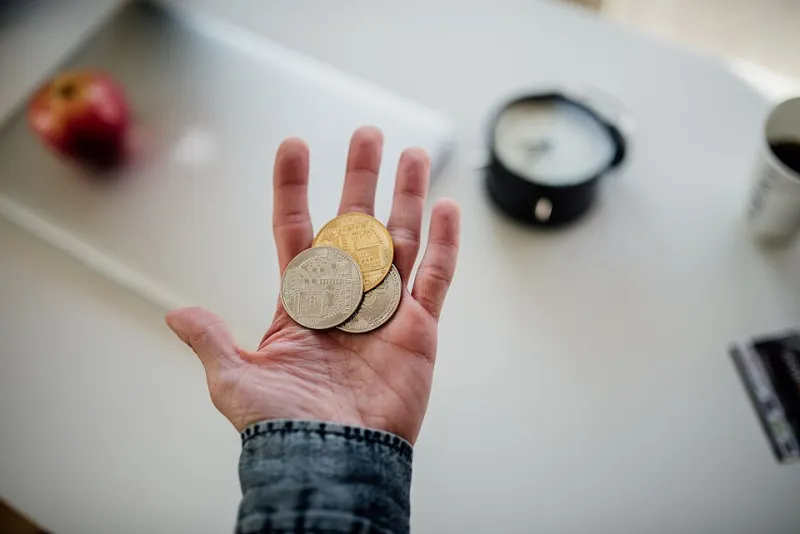
Photo: Unknown authorUnknown author, Public domain, via Wikimedia Commons
There's a specific kind of dread that hits around 11pm when you're doom-scrolling through someone's Instagram and realize they just signed with a major brand, launched a sold-out course, and apparently found time to remodel their kitchen — all while you're still trying to figure out your content calendar.
If you've felt that, you're not weak. You're just human. But here's the thing nobody tells you: that sick, behind-the-curve feeling isn't giving you accurate information. It's feeding you a story. And it's not even a story about your life.
Why Creatives Are Especially Vulnerable to This
Comparison culture hits everyone, sure. But creatives get a particularly rough version of it. Why? Because creative work doesn't have a standardized progression. There's no HR department handing out promotions at the two-year mark. There's no universal rubric that says "at 10,000 followers, you've officially made it."
Without those external benchmarks, we borrow other people's milestones and hold them up against ourselves like a measuring stick that was never built for our body. A graphic designer compares their freelance income to a photographer's retainer clients. A fiction writer watches a lifestyle blogger hit six figures and wonders why their book isn't selling. The categories aren't even the same, but the comparison still lands like a punch.
Psychologists call this social comparison theory — Leon Festinger introduced the idea back in 1954, and it basically says we determine our own value by measuring ourselves against others. The problem in 2025 is that we have approximately infinite others to measure against, all of them showing their best moments, none of them showing the five years of grinding that happened before the breakthrough post.
The 'Overnight Success' Is Usually a Decade in the Making
Let's talk about what you're actually comparing yourself to.
When a creator blows up, the moment you're seeing is almost never the beginning. It's a culmination. The newsletter that hit 50k subscribers in a week? That person probably spent three years writing to 200 people who barely opened the emails. The illustrator whose prints sold out in an hour? They might have run four failed Etsy shops before finding the right niche and aesthetic.
You are comparing your Chapter 3 to someone else's Chapter 17 — and you don't even have access to Chapters 1 through 16.
One creator I came across in a design community shared something that stuck with me: she spent four years doing client work she didn't love, building skills she thought were "just paying the bills," before pivoting to editorial illustration. The pivot looked sudden from the outside. From the inside, it was the slow accumulation of craft, confidence, and clarity. Her "slow" timeline was actually the foundation.
What 'Falling Behind' Usually Actually Means
Here's a reframe worth sitting with: slow progress in a creative career is often strategic positioning in disguise.
When you're not rushing to match someone else's pace, you have room to:
- Develop a point of view. Creators who move fast often produce content that looks like everyone else's because they haven't had time to figure out what makes them different.
- Build sustainably. A smaller, genuinely engaged audience is worth more than a large, indifferent one — both financially and creatively.
- Course correct. If you're not sprinting, you can actually look up and see whether you're heading somewhere you want to go.
The creator who takes two years to launch a product they're genuinely proud of isn't behind the one who launched something mediocre in six months. They're just on a different track. Probably a better one.
A Practical Framework for Defining Your Own Timeline
So how do you actually stop measuring yourself against everyone else? It takes more than just telling yourself to stop — you need to replace the external reference points with internal ones.
1. Audit your comparison triggers. Which accounts reliably make you feel bad about your progress? Not envious in a motivating way — actually bad. Consider muting them, not as a permanent thing, but as a reset. You can always go back. Your mental clarity can't always be recovered as easily.
2. Write down your own definition of success. Not the aspirational version — the real one. What would your creative life look like if nobody was watching? What would you make, how often, for whom? Get specific. "I want to be successful" is not a definition. "I want to earn enough from my ceramics to work four days a week and have Fridays to experiment" is.
3. Track your own previous self, not other people. Where were you creatively 12 months ago? What did you not know how to do that you can do now? What did you used to be afraid to make that you've since made? That's your actual progress report. It's also the only one that's fully accurate.
4. Celebrate the unsexy milestones. Finished a draft. Sent the cold pitch. Raised your rates for the first time. These moments rarely make for compelling Instagram content, but they are the actual architecture of a creative career.
The Timeline That's Yours
Here's the uncomfortable truth and the liberating one at the same time: nobody else can tell you whether you're on track, because nobody else is trying to get where you're going.
Your creative path is non-linear by design. It doubles back, stalls out, then suddenly accelerates. It looks chaotic from the outside and, honestly, sometimes from the inside too. That's not a malfunction. That's how creative lives actually work when you're building something real instead of performing a version of progress for an audience.
Somebody else's finish line isn't your starting gun. It's not even on your map.
Stop running their race. Yours is more interesting anyway.