Dust Off What You've Already Made: Your Back Catalog Is Sitting on Untapped Money
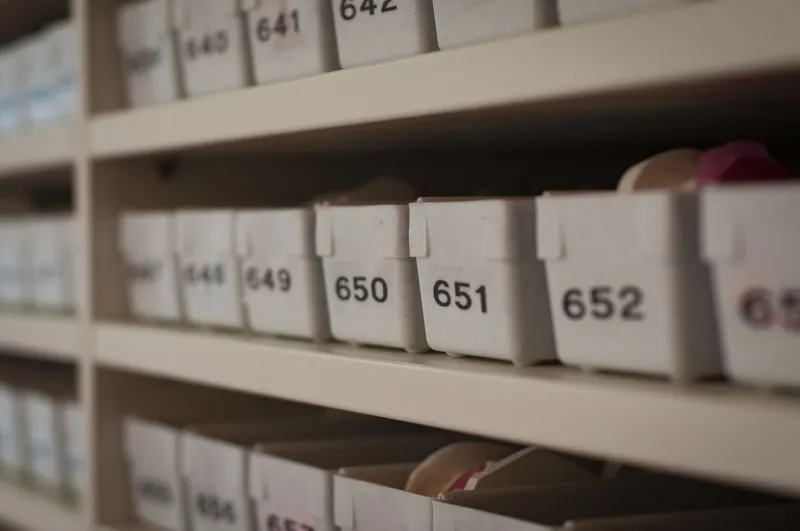
There's a peculiar kind of amnesia that hits creative people the moment they finish something. The second a project goes live — the logo suite, the photo essay, the online course you spent eight months building — your brain quietly files it under done and moves on to the next blank page.
That instinct feels productive. It's actually expensive.
Ask yourself an honest question: when was the last time you went back through your own portfolio? Not to cringe at old work, but to look at it the way a stranger would — as a shelf of finished products that could be working harder for you. If the answer is "never," you're not alone. You're also sitting on what might be the cheapest growth opportunity available to you, because everything in your archive is already paid for.
The Tyranny of the New
American creative culture has a bias problem, and it's baked into how we talk about work. "What have you done lately?" is the question hanging over every portfolio review, every job interview, every awkward family Thanksgiving conversation about your career.
That pressure pushes creators into a treadmill mentality: produce, publish, forget, repeat. Meanwhile, the work from two years ago — work that was genuinely good, work you'd probably approach differently now but which still holds up — quietly disappears into the scroll-back void.
Here's the reframe that changes everything: your archive isn't history. It's inventory.
A musician doesn't stop selling an album because the next one came out. A novelist doesn't pull her backlist from bookstores. But independent creatives — designers, writers, photographers, coaches, makers — treat their catalogs like expired milk. Why? Usually it's embarrassment. The old work feels dated, or it reminds you of a version of yourself you've outgrown.
Both of those feelings are clues, not verdicts.
Audit It Like an Asset, Not an Apology
Block out one afternoon. Seriously — put it on the calendar. Then walk through everything you've made with three questions:
1. Does this still solve a real problem for someone?
That brand identity system you built for a coffee shop in 2022 might not be your current style, but the thinking behind it — the positioning rationale, the typography logic — is evergreen. Skills don't expire. Only their packaging does.
2. Did this perform better than you gave it credit for?
Most of us under-promote our work. A case study that got modest attention when published might be your strongest sales asset today, simply because nobody's seen it in a while and your audience has tripled since then.
3. Can this be recontextualized for a new audience?
A tutorial you wrote for beginners two years ago might be exactly what your current audience needs — or it might need one new section and a fresh headline to become relevant again.
Sort everything into three buckets: re-release as is, refresh and reframe, and retire with gratitude. You'll be surprised how little lands in that third pile.
The Recontextualization Playbook
Re-releasing isn't laziness — it's translation. The same work, told differently, reaches people who never saw the original. A few approaches that work:
- The retrospective angle. "Five things I learned designing for restaurants" turns a pile of old client work into a narrative piece. You're not recycling; you're curating your own museum show.
- The before-and-after. Pair an old project with what you'd do differently now. This one is double-duty: it revives the work and demonstrates your growth, which is quietly one of the most persuasive sales tools a creative has.
- The format flip. That long blog post nobody read? It's a carousel. It's a newsletter. It's three short videos. The ideas are the asset; the format is just clothing.
- The bundle. Individual pieces become packages. A year's worth of scattered illustrations becomes a print collection, a wallpaper pack, a zine. Bundling is how dormant work starts generating actual revenue instead of just impressions.
The Side Hustle Graveyard
Let's talk about the projects that never launched. The Etsy shop with four listings. The podcast with six episodes. The Notion template you built for a friend that three other people would genuinely pay for.
Dormant side projects are the most emotionally loaded part of any archive, because they carry a whiff of failure. But most side hustles don't die from bad ideas — they die from bad timing, split attention, or the simple fact that the creator launched before they knew how to market anything.
Revisiting one of these with everything you've learned since can be the fastest win on your list. The product exists. The lessons exist. You're not starting from zero; you're starting from experience.
Make the Archive Part of the System
The creators who win at this don't do a one-time cleanup and call it a day. They build the archive into their workflow:
- A monthly replay slot in your content calendar, where one piece of old work gets a second life.
- An index of everything, so you actually know what you own. (If it lives in six scattered folders, it doesn't exist.)
- A rule of thumb: every new project ships with a plan for its second life, not just its launch.
None of this means stopping new work. It means new work stops being the only engine you have.
Your back catalog is the only part of your creative business where the hard part is already finished. Stop treating it like a drawer of old clothes and start treating it like what it is — a library you wrote, one you're allowed to keep checking out.